
Residential Care
A Place
To Belong
How we care
A dedicated team who truly knows your child
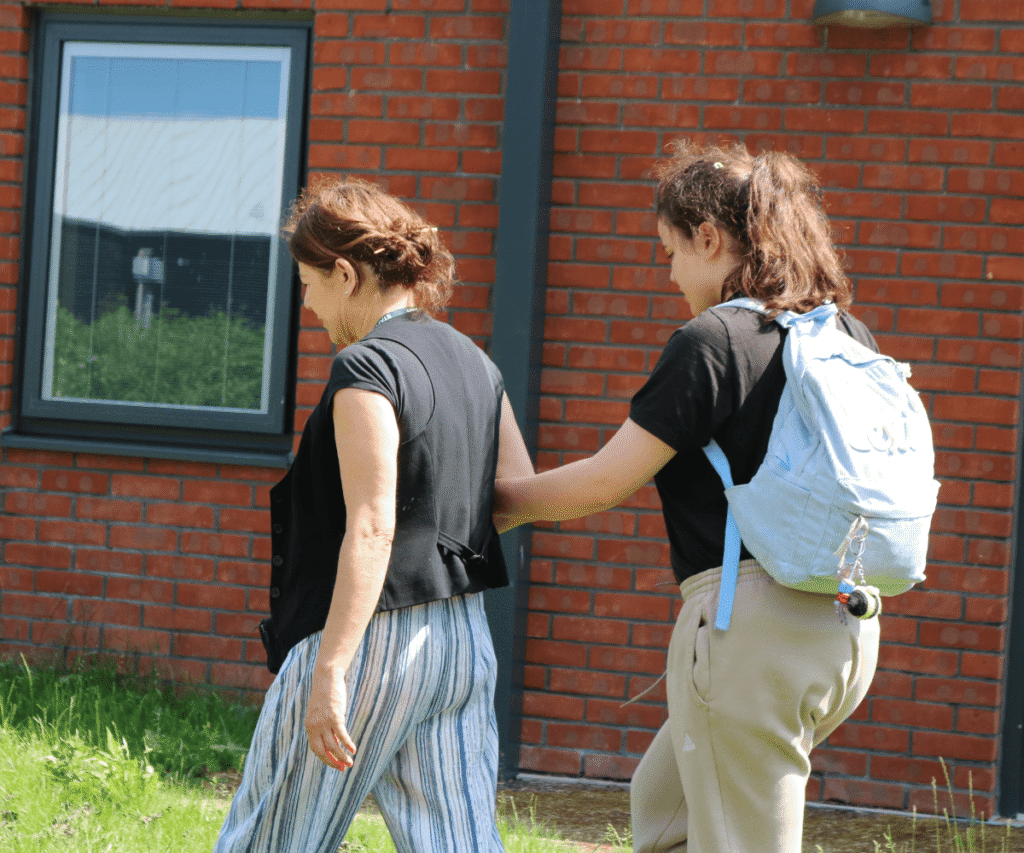
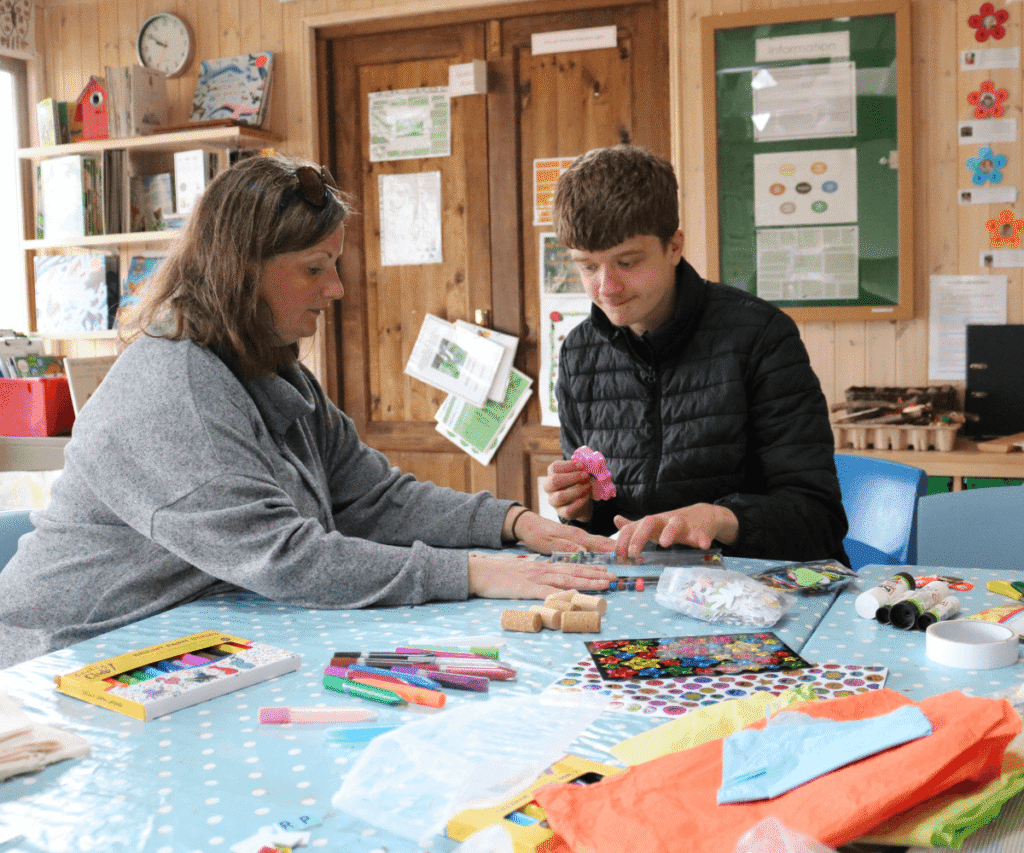
Every child at Loddon receives consistent support across school, home, and family life from a dedicated care team. Carefully matched to each child, these strong, trusting relationships are at the heart of everything we do.
Daily contact and notes
Our staff record daily observations, share regular updates with families, and lead care reviews.
Present morning and evening
Wherever possible, familiar faces cover wake-up and bedtime shifts to provide continuity and reassurance.
Advocate in the team
Our team works together to ensure your child's voice and preferences are represented in every planning meeting.
Transition support
Our experienced staff help thoroughly plan and support any moves out of Loddon.
How we care
Principles, not just procedures
Our approach to residential care is rooted in a few simple beliefs and a very specific, evidence-based methodology. The PROACT-SCIPr-UK® approach was developed here at Loddon and is now used by care organisations in 14 countries. It starts with respect.
We believe that challenging behaviour is communication. Our job is not to manage it, but to understand it and respond to the person beneath it.
Positive behaviour support
Every support plan is built on understanding what a behaviour is communicating, and what the child needs.
Low arousal environments
Spaces, routines and interactions are all designed to reduce rather than escalate anxiety and stress.
Consistent people
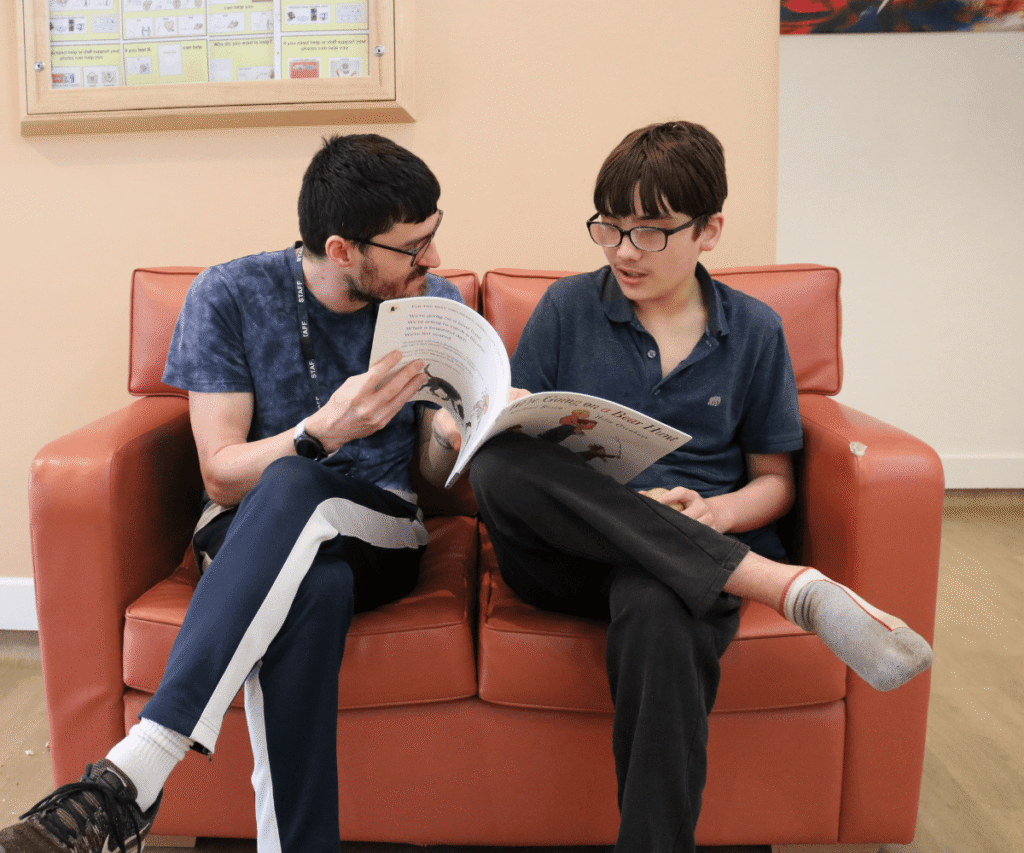
Predictable, trusted adults are one of the strongest protective factors for children with complex needs.
Family at the centre
Parents and families are partners in care - consulted on everything, informed about everything.
I was terrified when we first agreed to a residential placement. Now, three years later, I see a child who is relaxed, happy, and known, genuinely known, by the people who care for him. Loddon gave him a home.
Parent testimonial
Parent & family partnership
You remain part of the story
Sending a child to a residential school is one of the hardest decisions a family makes. We don’t take that trust lightly. You will always know what is happening, and your voice will always carry weight in every decision we make about your child.
Weekly updates
We provide a weekly written update, and our team is available by phone at agreed times. No news is never no news here.
Planned home visits
We support home visits and family stays, working with families to plan, prepare and debrief so that transitions in and out are calm and positive.
Termly reviews
Formal review meetings every term, attended by parents, the child's team, and relevant professionals, with clear actions and outcomes recorded.
Open-door visits
Parents are welcome to visit at any time with reasonable notice. We want you to see where your child lives and to feel genuinely welcome when you do.