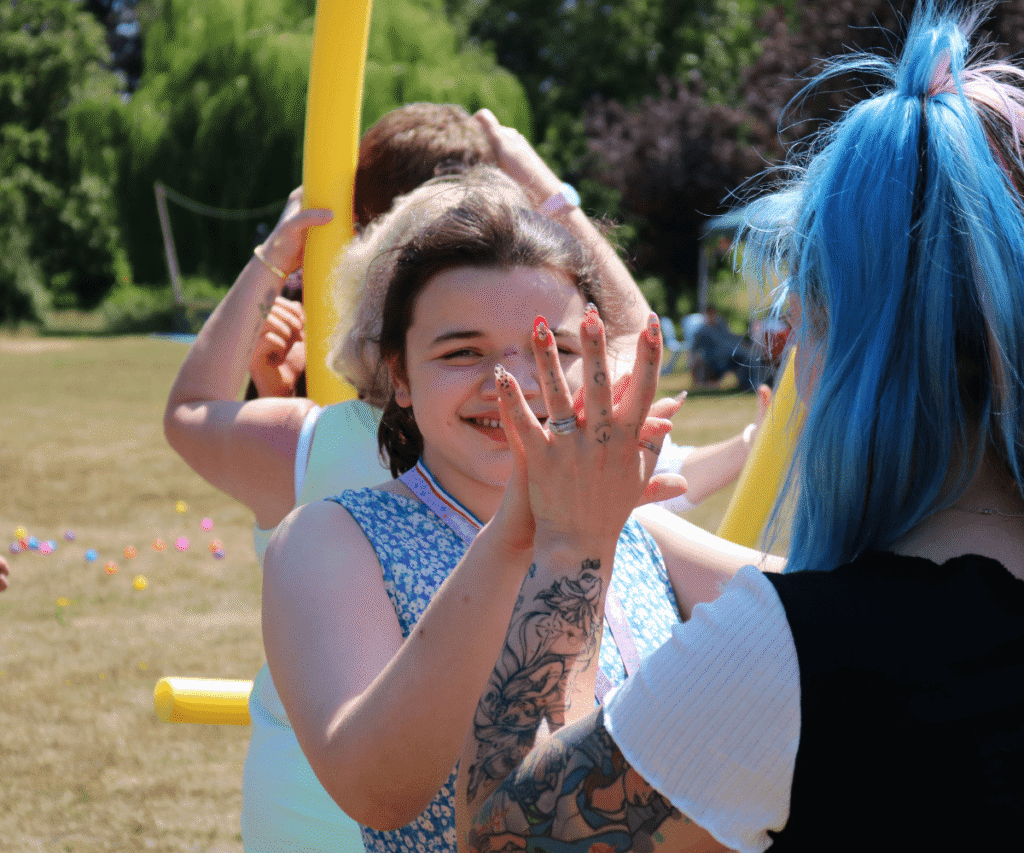
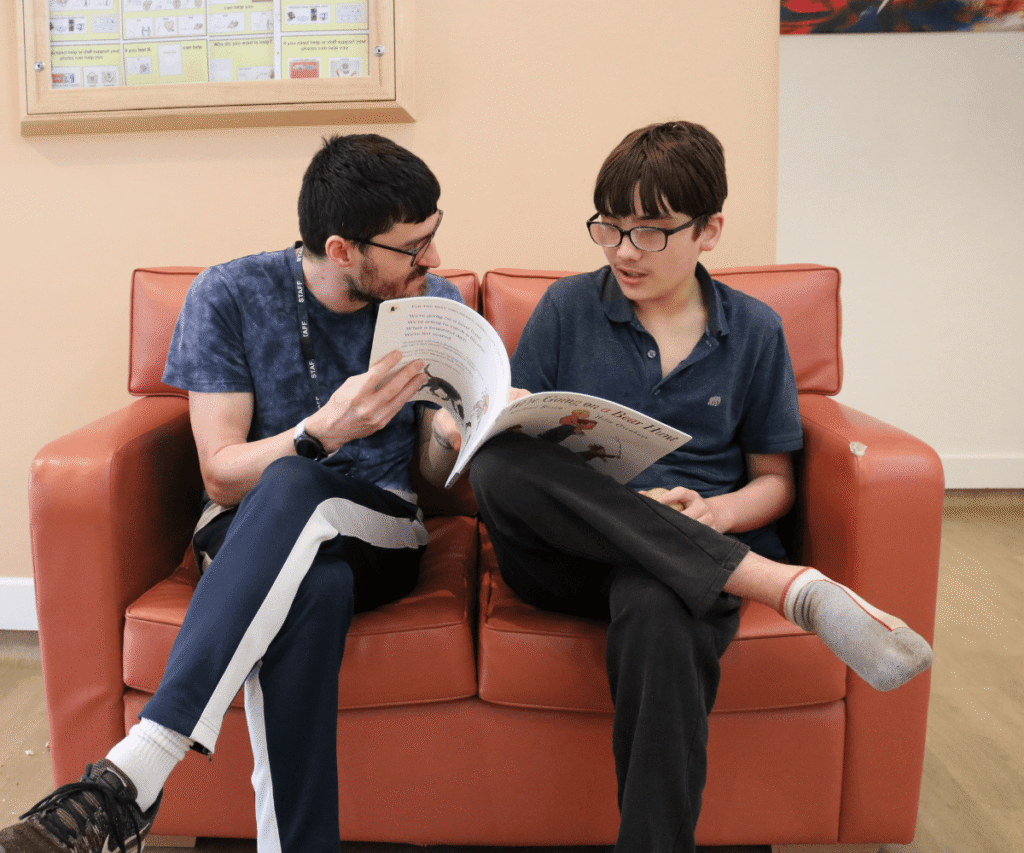
Our therapy service is inclusive and individualised, supporting all young people and designed to enhance their development across communication, sensory regulation, physical skill and emotional wellbeing.
Therapists do not work in isolation. They plan with education and care staff, share progress weekly, and adapt their work to the child’s day, whether that’s a sensory circuit before maths, or a music session after a difficult morning.
Plans are reviewed every six months as part of each child’s wider review. Where something isn’t working, we change it. Where something is, we extend it across the school.
We use both directly-employed therapists and a roster of visiting practitioners – theatre groups, musical workshops, cultural dancers – so the curriculum keeps reaching outwards.